
Category: Ibex Hunting

  • Spanish Ibex Hunting Guide: The Four Subspecies Explained

    If Spain Is Your Start

    If you’re looking for the most accessible entry point into ibex hunting, Spain is very likely where your search will lead you. The Spanish, or Iberian, ibex is split into four genetically and geographically distinct subspecies, each tied to a specific mountain range within Spain. For many hunters, collecting all four — often called the Spanish Ibex Grand Slam — becomes a multi-year pursuit in its own right.

    This guide breaks down each subspecies, where to find it, and what to expect from a Spanish ibex hunt overall.

    The Four Subspecies

    • Beceite Ibex — Found in the Maestrazgo mountain range in northeastern Spain, spanning parts of Tarragona, Teruel, and Castellón provinces. The Beceite is often considered the most heavily hunted of the four subspecies due to strong population numbers and well-established outfitting infrastructure in the region.
    • Gredos Ibex — Native to the Sierra de Gredos in central Spain, west of Madrid. This subspecies tends to carry noticeably heavier, more flared horns than the other three, making mature Gredos billies a particularly prized trophy.
    • Southeastern Ibex — Found in the mountain ranges of southeastern Spain, including areas around Sierra Nevada and Sierra de Cazorla in Andalusia. This subspecies inhabits some of the most rugged terrain of the four, often at higher elevations.
    • Ronda Ibex — Native to the Serranía de Ronda in southern Spain, near Málaga. Ronda ibex populations were historically the smallest of the four, and this subspecies is sometimes considered the most challenging to draw a permit for, depending on the season.

    What Makes It Distinctive

    Unlike some mountain hunting destinations that require extensive international travel logistics, Spain offers relatively straightforward access — commercial flights into Madrid or regional airports, followed by a shorter drive into the hunting area. This accessibility is a major reason Spanish ibex hunts are often recommended as a starting point for hunters newer to the pursuit.

    That said, “accessible” doesn’t mean easy. Terrain across all four subspecies’ ranges involves steep, rocky slopes, and hunts are conducted almost exclusively via spot-and-stalk. Outfitters typically employ local guides intimately familiar with the specific mountains they operate in, which matters more here than in many other hunting contexts — Spanish ibex populations are managed closely, and experienced local knowledge significantly improves the odds of locating a mature animal.

    Timing Considerations

    Spanish ibex seasons generally run from late summer through winter, though exact dates vary by autonomous region and subspecies, as hunting regulations in Spain are managed at the regional rather than national level. The rut, which typically falls in late fall, is a popular time to hunt, as billies are more active and more willing to move during daylight hours — though weather at elevation can also turn colder and less predictable during this window.

    Because regulations shift regionally and sometimes year to year, working with an established outfitter who tracks current season dates and permit requirements is essential rather than optional.

    Planning Multi-Subspecies Trips

    Given that the four subspecies occupy different regions of Spain, some hunters choose to combine two hunts into a single trip — for example, pairing a Beceite hunt in the northeast with a Gredos hunt in central Spain, reducing overall travel costs compared to four separate trips over multiple years. Outfitters experienced in Grand Slam bookings can often help coordinate this kind of combination itinerary.

    Where This Fits

    Spanish ibex hunting pairs well as a starting point before moving on to Alpine or Central Asian ibex, both of which involve more demanding logistics and terrain. If you’re weighing where to begin, our companion guide on Alpine ibex hunting in Europe covers a similarly accessible option with a different regional hunting culture — worth reading before you commit to a specific destination.
  • The Complete Guide to Ibex Hunting: Species, Regions & What to Expect

    The Complete Guide to Ibex Hunting: Species, Regions & What to Expect

    Few animals capture the spirit of mountain hunting quite like the ibex. Sure-footed on cliffs that would stop most predators cold, crowned with heavy ridged horns, and found only in some of the most demanding terrain on earth, ibex represent everything that draws hunters to high country in the first place: patience, physical commitment, and the reward of pursuing an animal on its own terms.

    If you’re new to ibex hunting, the sheer number of species, regions, and outfitters can feel overwhelming. This guide is meant to be your starting point — a broad overview of what ibex hunting actually involves, where you can pursue it, and what separates one hunt from another. From here, we’ll dig deeper into specific regions, costs, gear, and preparation in the guides that follow.

    What Exactly Is an Ibex?

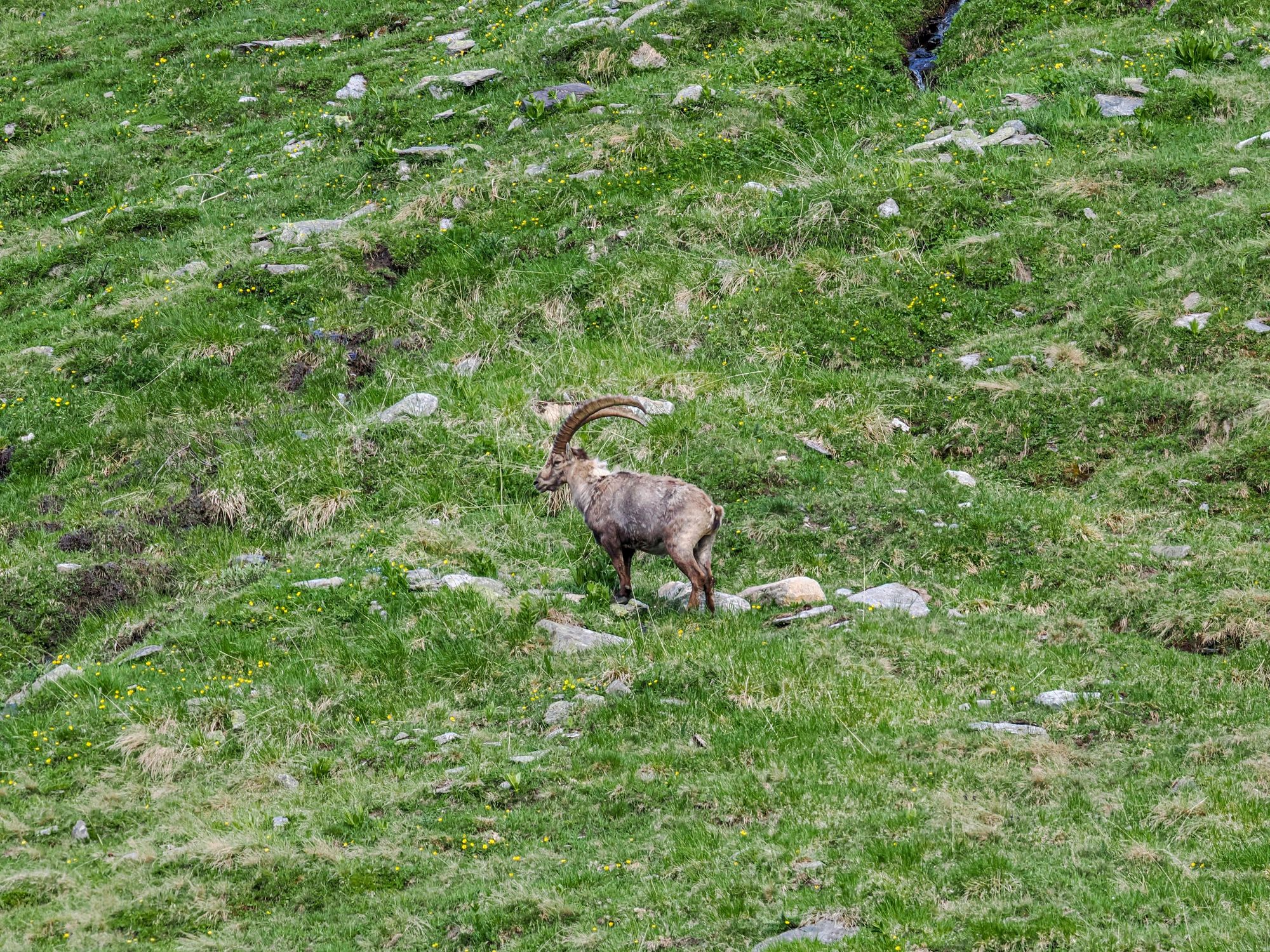
    Ibex isn’t a single animal — it’s a group of wild goat species within the genus Capra, found across mountain ranges in Europe, Asia, and parts of the Middle East and North Africa. What unites them is a shared body plan built for vertical terrain: powerful shoulders, flexible joints, and hooves adapted to grip rock rather than soil. Males (billies) grow large, backward-curving horns that can exceed a meter in length in older animals, and horn size is typically the primary measure hunters use to judge a mature trophy.

    The species most commonly pursued by hunters include:

    • Spanish or Iberian Ibex — Native to Spain, this species is actually split into four distinct subspecies, each tied to a specific mountain range: Beceite, Gredos, Southeastern, and Ronda. Collecting all four is a well-known achievement among ibex hunters, sometimes called a “Grand Slam” of Spanish ibex.
    • Alpine Ibex — Found throughout the mountain ranges of Switzerland, Italy, France, Austria, and parts of Slovenia. Alpine ibex populations were once nearly extinct but have rebounded significantly through conservation programs, and regulated hunting now plays a role in managing herd health in several countries.
    • Central Asian and Himalayan Ibex — This broader group includes populations found in Kyrgyzstan, Tajikistan, Pakistan, and Nepal. These animals tend to be larger-bodied than their European cousins and are hunted in some of the most remote, high-altitude terrain available to mountain hunters anywhere in the world.
    • Nubian Ibex — A smaller, desert-adapted species found in parts of the Middle East and Northeast Africa, less commonly hunted due to conservation status and access, but present in the broader ibex family.

    Each of these groups has its own regulations, seasons, and hunting styles, which is why choosing a species is really the first decision point for anyone planning an ibex hunt.

    Terrain and Physical Difficulty

    There’s no getting around it: ibex hunting is physically demanding. These animals live at elevation, often above the tree line, on slopes steep enough that a misplaced step has real consequences. Most hunts involve extended glassing sessions from a fixed vantage point, followed by a demanding stalk once a shooter animal is located — sometimes across scree fields, along narrow ridgelines, or up drainages that gain thousands of feet in a single push.

    Altitude compounds the physical challenge. Many ibex hunts, particularly in Central Asia, take place at elevations where altitude sickness becomes a genuine concern, and outfitters often build acclimatization days into the itinerary for exactly this reason. Even Alpine and Spanish ibex hunts, at somewhat lower elevations, routinely require multiple hours of steep hiking each day.

    None of this should be discouraging — thousands of hunters in reasonable physical condition complete ibex hunts successfully every season. But it does mean preparation matters more here than it does for hunts conducted from a stand or blind, and it’s worth being honest with yourself about your fitness level before booking.

    Typical Hunting Methods

    Ibex are almost universally hunted via spot-and-stalk, a method that suits both the terrain and the animal’s behavior. Because ibex rely on their eyesight and the difficulty of their terrain for safety rather than dense cover, hunters typically spend significant time glassing from a distance — sometimes an entire day — before committing to a stalk.

    Guides and local hunters, who often know individual animals and their habits within a given valley system, play an outsized role in ibex hunting compared to many other big game pursuits. It’s common for an outfitter’s team to spend days pre-scouting an area before a hunter even arrives, which is part of why guided ibex hunts carry the price tags they do.

    Both rifle and bow hunters pursue ibex, though the terrain and typical shot distances mean rifle hunts are considerably more common. We’ll cover caliber and equipment choices in more detail in a dedicated gear guide.

    When to Go

    Ibex seasons vary considerably by region and are tied to both hunting regulations and practical access — many high-altitude areas are simply inaccessible outside of a narrow window between snow seasons. Spanish ibex hunts commonly run in the fall and winter months, while Central Asian ibex hunts are often concentrated in a shorter late-summer to early-fall window dictated by weather and road access into remote valleys.

    Because timing has such a direct impact on trip planning, we’ve dedicated a full guide to seasonal considerations by region — worth reading closely once you’ve settled on a species and destination.

    What Influences Cost

    Ibex hunts range widely in price depending on species, region, outfitter reputation, and trophy fees, which are often assessed separately based on horn length or age class. A Spanish ibex hunt for a single subspecies looks very different, cost-wise, from a Central Asian expedition requiring international logistics, permits, and multi-day travel just to reach base camp. We break this down in detail in our dedicated cost guide, but as a general rule: the more remote and logistically complex the destination, the higher the total investment.

    Choosing Your First Ibex Hunt

    For hunters new to the pursuit, Spanish ibex hunts are often a practical entry point — well-established outfitting infrastructure, relatively accessible terrain compared to Central Asia, and the appeal of potentially working toward the four-subspecies slam over multiple trips. Alpine ibex hunts offer similar accessibility with a distinctly European hunting culture. Central Asian and Himalayan ibex hunts are typically better suited to hunters who already have some mountain hunting experience under their belt, given the altitude and logistical demands involved.

    Whichever path you choose, the fundamentals stay the same: physical preparation, realistic expectations about terrain, and a good outfitter who knows the ground.

    Physical preparation, realistic expectations, and a knowledgeable outfitter are what turn an ibex hunt from an idea into a successful mountain experience.

    Where to Go From Here

    This guide is meant to be a jumping-off point. From here, we’ll be publishing detailed breakdowns of each major hunting region, a full cost guide, gear recommendations built specifically for high-altitude terrain, and physical preparation advice to help you show up ready. Bookmark this page — as each new guide goes live, you’ll find it linked below.