Why Optics Matter in Ibex Country
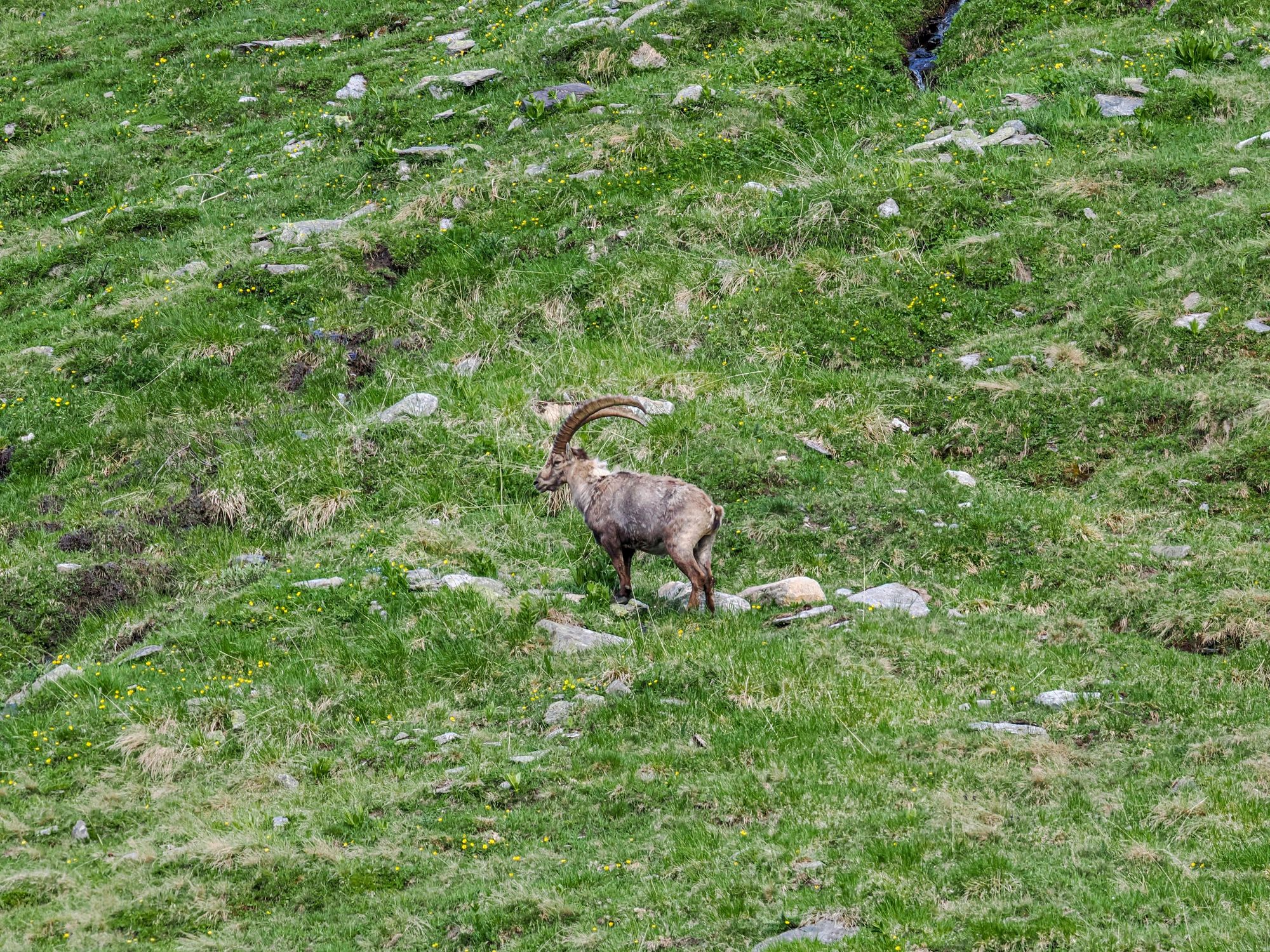
Ibex hunting is as much a glassing game as it is a shooting game. In steep, open country, hunters often spend far more time behind binoculars and spotting scopes than they do behind a rifle. The right optics help you locate animals earlier, judge horn size more confidently, and avoid wasting energy on unnecessary stalks across punishing terrain.
This guide looks at the core optics categories that matter most for ibex hunting and explains how to think about them in practical, field-focused terms rather than marketing claims alone.
Binoculars First
For most hunters, binoculars are the single most important optics purchase for an ibex hunt. They are the tool you will use hour after hour while picking apart distant ridgelines, shadowed ledges, and broken scree slopes. A quality 10×42 binocular remains a strong all-around choice because it balances magnification, field of view, brightness, and packability well enough for long days in the mountains.
Some hunters prefer stepping up in magnification for more open country, but higher magnification also makes handholding less steady and increases eye fatigue over the course of a long glassing session. In practical terms, comfort and clarity often matter more than chasing maximum power on paper.
When a Spotting Scope Earns Its Weight
A spotting scope becomes especially valuable when you need to evaluate an ibex before committing to a long stalk. In many mountain ranges, the ability to study horn shape, length, and mass from a fixed glassing point can save hours of climbing toward an animal that does not meet your expectations or local standards.
The tradeoff is obvious: spotting scopes add weight and bulk to your kit. For that reason, they make the most sense when you expect to glass from stationary vantage points for extended periods, or when your guide can share the load and help decide when detailed evaluation is worth the extra effort.
Rangefinders Are Not Optional
In ibex country, distance can be deceptive. A ram or billy across a drainage may appear closer than it really is, and steep uphill or downhill angles complicate the shot further. A dependable rangefinder with angle compensation is one of the most practical pieces of optics equipment you can carry because it removes guesswork at the moment it matters most.
Even if your intended shooting distance is moderate, your rangefinder should perform beyond that distance reliably. Mountain terrain often forces you to range across open space, rock faces, and uneven backgrounds that can challenge lower-performing units.
What to Prioritize
- Optical clarity over extreme magnification
- Comfort for long glassing sessions
- Durability in wet, cold, and dusty conditions
- Reasonable weight for all-day mountain travel
- Reliable ranging performance in steep terrain
Building a Smart Optics Budget
If your budget forces tradeoffs, most mountain hunters are better served by investing in the best binoculars they can reasonably afford before overspending on other categories. You will spend far more time looking through binoculars than through a riflescope on any ibex hunt. Good glass reduces eye strain, improves animal detection, and helps you stay effective late into the day when concentration starts to fade.
A spotting scope can be added later if your hunting style or destination justifies it. Boots, fitness, and glassing skill still matter enormously, but among gear purchases, optics are one of the few categories where quality directly affects nearly every hour of the hunt.
The Bottom Line
The best optics for long-range glassing in ibex country are the ones that help you see more, judge better, and move with confidence in steep terrain. Start with dependable binoculars, add a spotting scope when your destination or trophy expectations call for it, and never overlook the value of a capable rangefinder. In mountain hunting, the ability to see well is often the ability to hunt well.