
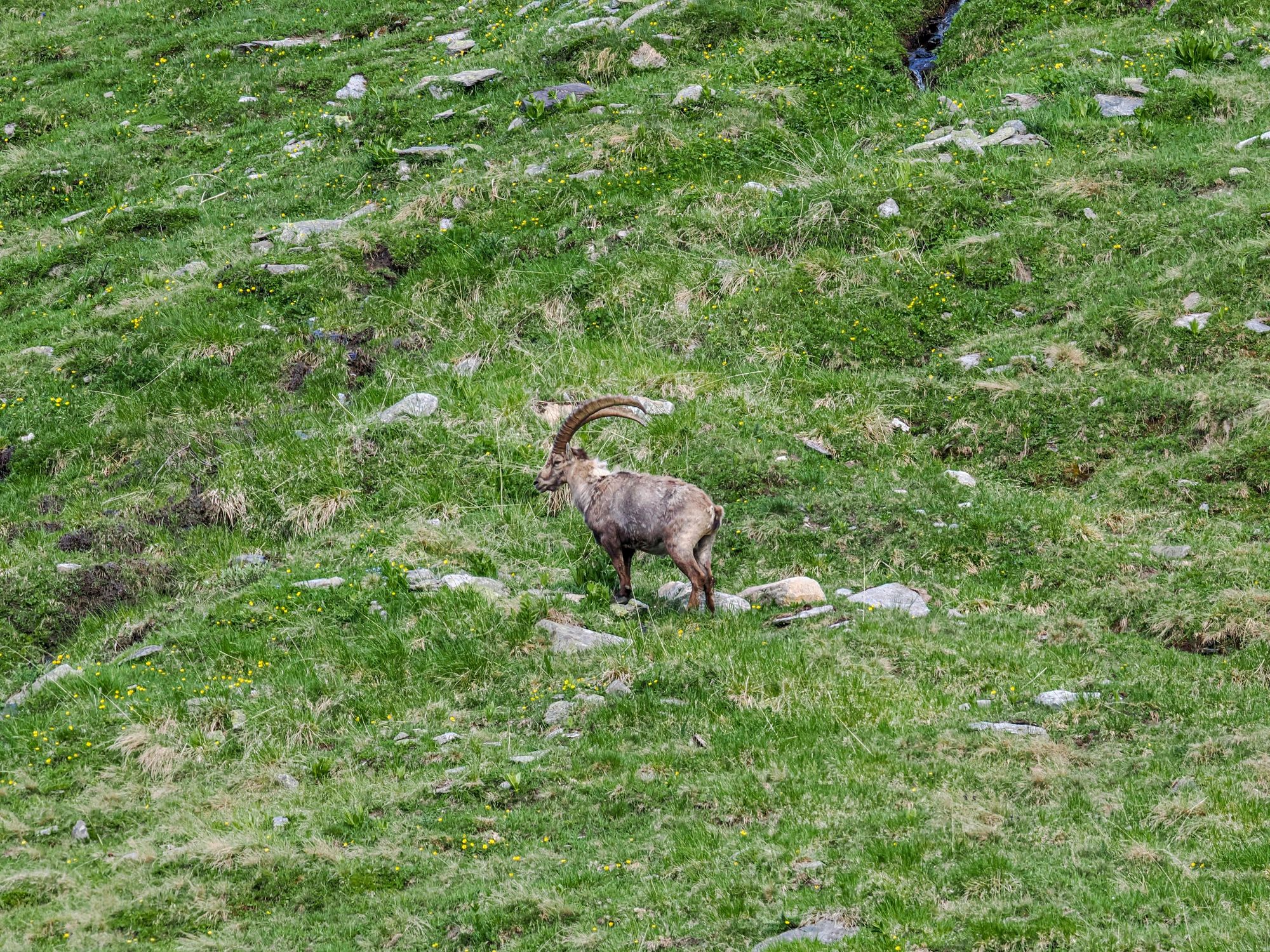
Alpine Ibex Hunting in Europe: What to Expect
Alpine ibex hunting offers one of the most distinctive mountain hunting experiences in Europe. With dramatic scenery, tightly managed populations, and a hunting culture shaped by local tradition and conservation, these hunts appeal to hunters looking for a classic high-country pursuit without the extreme remoteness of Central Asia.
If you are considering an Alpine ibex hunt, it helps to understand how these hunts differ from Spanish ibex trips, what the terrain is really like, and why access, permits, and local regulations play such a large role in the planning process.
Where Alpine Ibex Are Found
Alpine ibex live across several European mountain regions, most notably in Switzerland, Italy, France, Austria, and parts of Slovenia. Their range today is the result of major conservation recovery efforts after the species was pushed close to extinction in the nineteenth century. In many areas, hunting is now allowed only under tightly controlled management systems designed to maintain healthy age structure and sustainable populations.
For hunters, that means Alpine ibex opportunities can be exceptional, but they are often limited, highly regulated, and dependent on local quotas or concession systems. In some regions, access is available through state-managed permits, while in others it may come through private arrangements or specialized outfitters working with local authorities.
What the Terrain Is Like
Alpine ibex country is steep, rocky, and physically honest. You should expect long climbs, exposed slopes, and extended periods of glassing across open basins and cliff bands. Compared with some Spanish ibex hunts, the terrain can feel more vertical and more alpine in the truest sense, with hunts often taking place above timberline in broken rock and high meadows.
That said, many Alpine ibex hunts are logistically simpler than expeditions in Kyrgyzstan or Tajikistan. Lodging, road access, and travel infrastructure are often more comfortable and predictable, even if the actual hunting still demands strong legs, steady footing, and a willingness to move carefully in exposed country.
How These Hunts Are Conducted
Like most ibex hunts, Alpine ibex are typically pursued through spot-and-stalk methods. Mornings often begin with glassing from a vantage point while guides search for mature billies moving between feeding and bedding areas. Once a suitable animal is identified, the hunt becomes a matter of route selection, patience, and closing distance without being exposed.
Local knowledge matters enormously. In many Alpine hunting areas, guides know the mountain intimately and may already be familiar with the age class and horn character of specific animals using a drainage or ridge system. That level of familiarity can make the difference between a rushed opportunity and a carefully planned stalk on a mature ibex.
Permits and Planning
One of the defining features of Alpine ibex hunting is that planning often revolves around access rather than just physical readiness. Depending on the country and region, permits may be scarce, expensive, or tied to specific management units. Some hunts are booked well in advance, and flexibility on timing can be important if you are trying to secure a particular area or age class.
This is one reason many hunters work through outfitters or booking agents with established local relationships. The hunt itself may last only a few days, but the administrative side can take much longer to arrange than newcomers expect.
When to Hunt
Season timing varies by country, but Alpine ibex hunts are generally scheduled around weather, access, and local management calendars. Early season hunts may offer more stable travel conditions and easier movement in the mountains, while later hunts can bring changing animal behavior and more dramatic alpine conditions. Exact dates matter, and they should always be confirmed with the outfitter or local authority handling the permit.
Who Alpine Ibex Hunts Suit Best
For many hunters, Alpine ibex sits in an appealing middle ground. It offers a true mountain hunt with serious terrain and a highly respected trophy animal, but without some of the extreme expedition logistics associated with more remote Asian destinations. Hunters who value European hunting culture, structured game management, and a physically demanding but comparatively accessible hunt often find Alpine ibex especially appealing.
If Spanish ibex is often the easiest first step into ibex hunting, Alpine ibex is a natural next consideration for hunters who want a different style of mountain experience while staying within a well-developed travel framework.
Looking Ahead
As you narrow down your options, compare not just trophy expectations but also terrain, permit structure, travel complexity, and the style of hunt you want to experience. Those factors shape the trip every bit as much as horn length.
We will continue building out our ibex coverage with region-specific planning guides, cost breakdowns, and gear recommendations to help you choose the right hunt and arrive prepared.